
Quick Style Notes
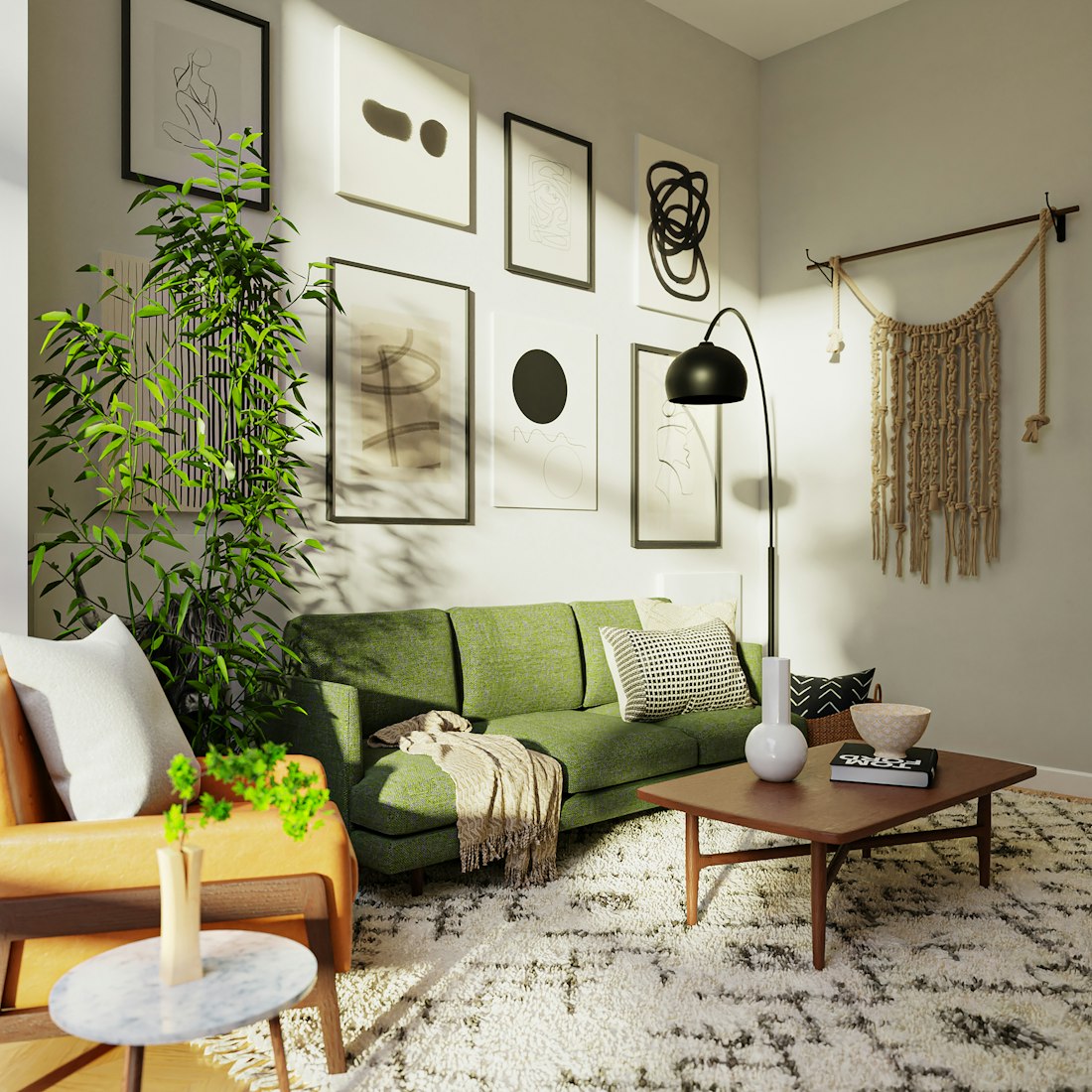
- The 70 / 20 / 10 Mixing Rule: Use your main style for 70% of a room (big furniture), a second complementary style for 20% (rugs, chairs, lamps), and 10% for personal travel finds and art.
- Work With Your Floors & Light: Before picking paint or wood furniture, check the warm or cool undertone of your existing flooring and window direction.
- Pick Three Mood Words: Choose three simple words (like Warm, Relaxed, Uncluttered) to sanity-check new purchases before you check out.
Saving hundreds of room photos online often makes decorating harder rather than easier. One day you love an airy Scandinavian bedroom; the next day you want a cozy boho reading nook or a classic modern farmhouse dining table. When you buy one piece from every trend without a simple plan, rooms can start to feel disconnected.
Thankfully, you never have to lock yourself into a single rigid design label. Here is an easy, pressure-free way to blend the styles you love so every room flows together.
1. Compare the 4 Most Livable North American Decor Styles
| Style Direction | signature Colors | Key Materials | Mixes Effortlessly With |
|---|---|---|---|
| Warm Minimalist / Japandi | Oatmeal, warm white, taupe, charcoal, sage | White oak, bouclé, washed linen, travertine, matte ceramic | Mid-Century Modern or Organic Boho |
| Modern Textural Boho | Terracotta, cream, olive green, ochre, camel | Rattan, cane, Moroccan wool rugs, linen, leafy plants | Mid-Century Modern or Warm Minimalist |
| Contemporary Farmhouse | Creamy white, greige, navy, muted black, warm pine | Slipcovered cotton, wrought iron, shaker wood, aged brass | Transitional or Rustic Industrial |
| Mid-Century Modern | Walnut brown, mustard, teal, rust, off-white | Tapered walnut/teak, cognac leather, spun brass, tweed | Warm Minimalist or Modern Boho |
2. Check Your Natural Light & Floor Undertones First
- North- & East-Facing Windows (Cooler Light): Very common in high-rise condos and long Canadian winters. Cool light makes stark white or gray walls feel chilly. Lean into warm undertones—creamy whites, honey oak, camel leather, and brass lamps.
- South- & West-Facing Windows (Warm Afternoon Sun): Golden sunlight warms up crisp whites, soft blues, charcoal, and lighter ash woods naturally.
3. How the 70 / 20 / 10 Rule Works in Real Life
- 70% Calm Foundation: Keep your biggest ticket items—sofa, bed frame, dining table, and wall color—in a clean, timeless base style (like Warm Minimalist).
- 20% Textural Contrast: Bring in a second style through your accent chair, area rug, and pendant lighting (like a Mid-Century leather chair or a Boho woven rattan shade).
- 10% Personal Story: Display framed travel photos, heirloom ceramics, vintage books, or seasonal cushion covers.
Neutral Performance Sofa + Swappable Zippered Cushion Covers
Keeping your sofa in a neutral oatmeal, stone, or warm camel shade lets you shift your room’s mood anytime simply by swapping $25 linen, velvet, or bouclé pillow covers.
Explore Individual Style Guides:
Common Questions About Finding Your Style
What if my partner and I like completely different styles?
Agree on a comfortable, neutral 70% foundation first (most couples easily agree on a soft oatmeal sofa and warm wood tables), then blend both tastes in the 20% accent layer—pairing matte black metal lamps with soft woven textiles.
Which room should I decorate first when moving into a new place?
Start with the room where you relax the most—either your living room or your bedroom. Buy your main anchor piece (sofa or bed) first, live with it for two weeks to see how you move through the room, and then pick your rug, lamps, and wall art.